

Nursery School What Parents Should Look for Before Enrolling
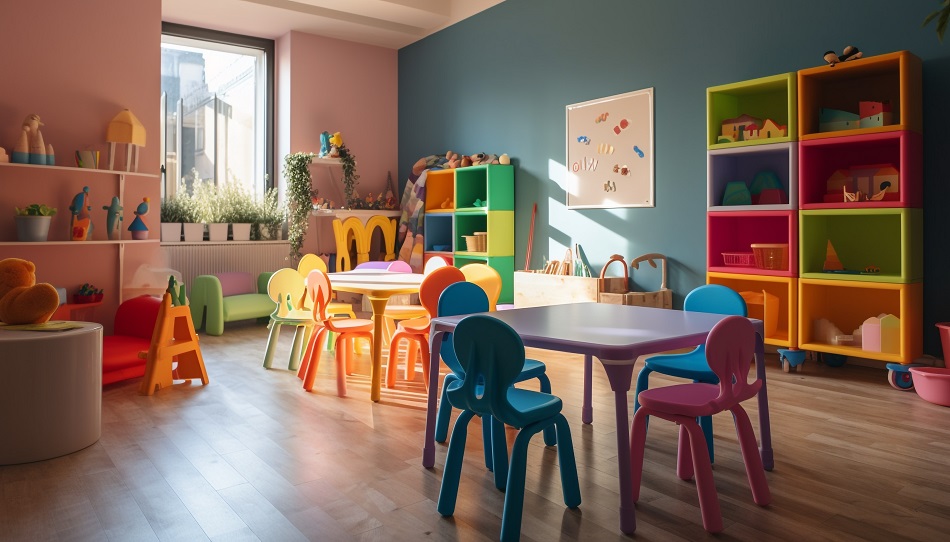
Enrolling a child in a nursery school marks the beginning of formal early childhood education. In Thailand, where the international school sector has expanded significantly over the past decade, families face a wide range of choices spanning different educational frameworks, language models, and campus designs. Early childhood research consistently indicates that the period between ages two and four is critical for neural development, social skill acquisition, and foundational emotional self-regulation. Selecting an appropriate educational environment during these years requires evaluating specific structural and pedagogical factors.
Curriculum design and play-based learning
A primary consideration when evaluating a nursery school is its approach to early childhood pedagogy. High-quality early years settings typically follow structured frameworks such as the British Early Years Foundation Stage (EYFS), the International Baccalaureate Primary Years Programme (IB PYP), or the Reggio Emilia approach. These frameworks prioritize play-based and inquiry-led learning over rote academic instruction. At the nursery stage, cognitive development occurs most effectively through active exploration, sensory activities, and guided problem-solving rather than formal desk work. Parents should observe whether classroom schedules allow for sustained blocks of child-initiated play and structured group interaction.
Teacher qualifications and child-to-teacher ratios
The effectiveness of an early childhood program depends heavily on the qualifications of its instructional staff. International schools in Thailand generally employ lead teachers holding specialized degrees in early childhood education or childhood development, often alongside qualified teaching assistants. Staffing ratios are equally critical. For children aged two to four, lower child-to-teacher ratios ensure that educators can respond promptly to individual emotional needs, monitor social dynamics, and track developmental milestones accurately. In multilingual settings, having native or highly proficient English speakers paired with co-teachers supports natural language acquisition without overwhelming young learners.
Physical environment and safety infrastructure
Facilities at a nursery school should be designed specifically for young children rather than adapted from older age-group infrastructure. Indoor spaces benefit from natural lighting, accessible learning materials, and designated quiet areas for rest. Outdoor play areas require age-appropriate equipment that encourages gross motor development, such as climbing structures, sensory water-play zones, and shaded running areas suited to Thailand's tropical climate. Safety protocols must cover secure campus entry points, child-proof fixtures, air filtration systems to manage seasonal particulate matter (PM2.5) levels, and established medical hygiene standards.
Social-emotional development and transition support
Before children acquire formal literacy or numeracy skills, they must develop social competence and emotional regulation. A well-structured nursery school incorporates social-emotional learning into its daily routine. Observing how educators handle separation anxiety, conflict resolution among peers, and emotional distress offers insight into the school culture. Clear routines, positive behavioral reinforcement, and predictable schedules help young children feel secure when transitioning from home to a school environment for the first time.
Parent-school communication and community integration
Consistent communication between educators and families supports early childhood development. Most modern international early years departments use dedicated digital platforms to provide updates on daily activities, meals, nap schedules, and individual learning milestones. Schools that offer orientation periods, parent workshops, and open channels of communication allow families to align home routines with school expectations, creating a more stable learning environment for the child.