

Understanding International Schools The Global Choice in Education
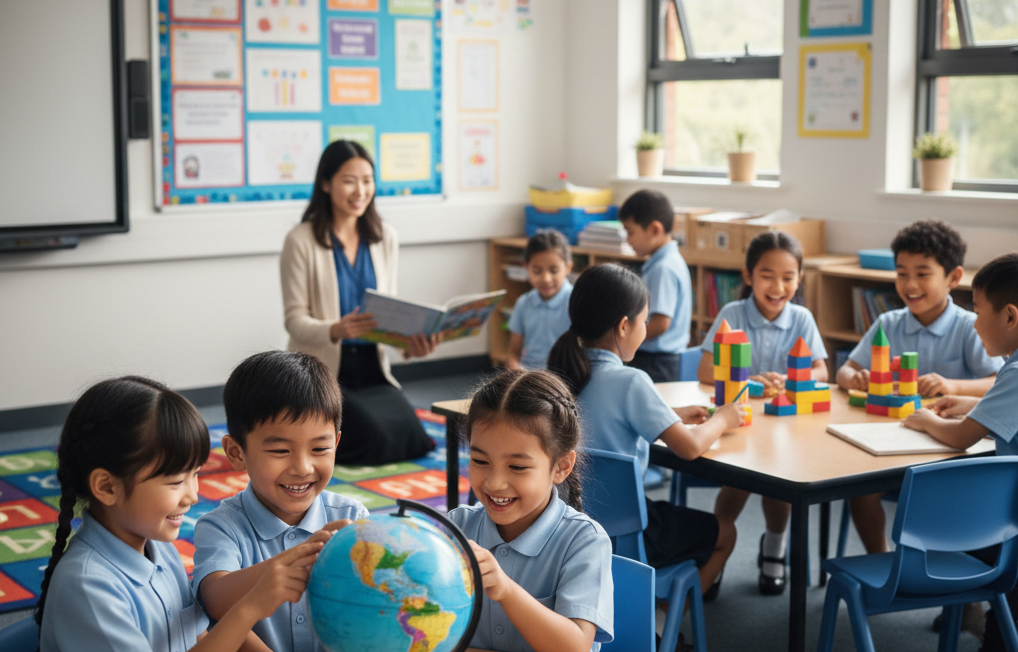
To choose a school today is to decide how best to prepare a child for an increasingly global future. International school, originally set up for itinerant expatriate families on the move, meanwhile have become a key attraction for local parents in search of a certain kind of world-class education.
What Makes These Schools Different?
The most obvious. characteristic of an international school is cultural diversity. Students and teachers hail from a wide range of countries, which makes the mix of perspectives and languages an everyday occurrence. This extended exposure aids in the formation of global sensitivity, flexibility and cross-cultural communication competencies required for productive international engagement.
Instruction is generally in English. This fluency enables students to make an easy transition if their families move abroad and gives them a language necessary for higher education and future careers on the global stage. As “up to par” secondary language programs are also typical.
How Matthew's Curriculum Teaches Critical Thinking
Curriculum is the international one and this makes easier for students when wishing to continue their studies at any university around the world. There is less emphasis on rote learning (for country wide exams) with teaching and learning methods of tending to be more student centered and inquiry based. Which is to say that students are, instead, encouraged to ask questions and think critically as well as learn how to put into practice the foundation of knowledge they have.
- The main models of curricula utilized are;
- IB (International Baccalaureate): Comprehensive system that sets out to develop students as well-rounded individuals, leading up to the academically rigorous Diploma Programme (DP).
- Cambridge International Education (CIE): Renowned for it’s IGCSEs and specialist A-Levels, well respected when applying to university, particularly in the UK.
- American Curriculum: Follows the traditional K-12 grading system and provides AP (Advanced Placement) classes for early college levels.
The Real-World Benefits
- College readiness offers intrinsic benefits to the international school model:
- Worldwide Recognition: Qualifications are internationally recognized and valued by top universities around the world including Asia and Europe and even in North America.
- Supportive Atmosphere: Classes are generally smaller so you will receive the attention you need. There are also tons of ECAs available, which are great for students to create and develop leadership skills as well as gain necessary social experience beyond academics.
- The pros are obvious, though the cons are that tuition is expensive. Plus, in a multicultural environment, they may not be as thoroughly integrated with the host country’s language and culture as it would experience at a local school if an international curriculum is observed.
The answer, in the end, would depend on its parents lasting plans for their child's education and upward mobility.